Seed Banks

What Are Seed Banks?

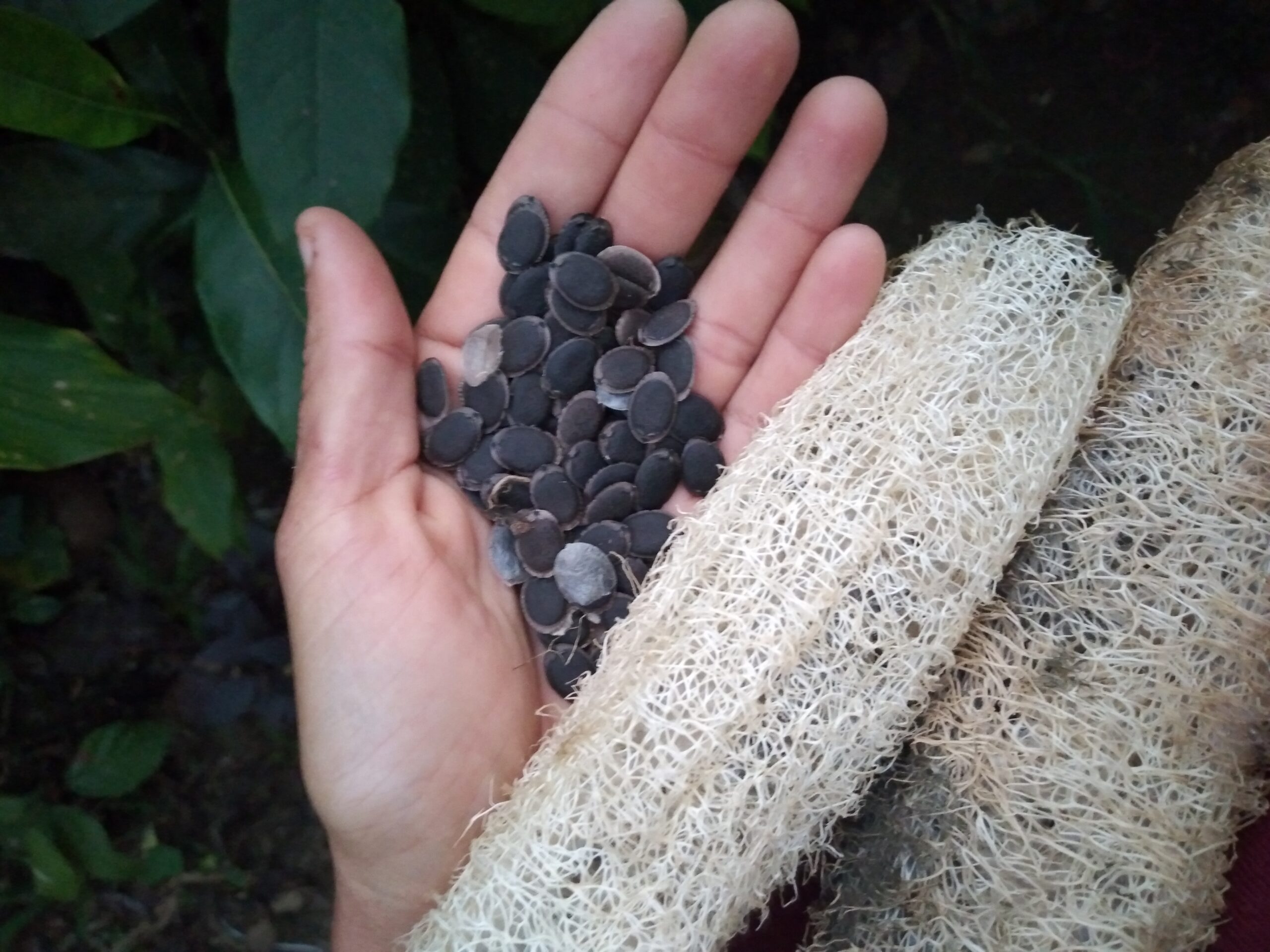
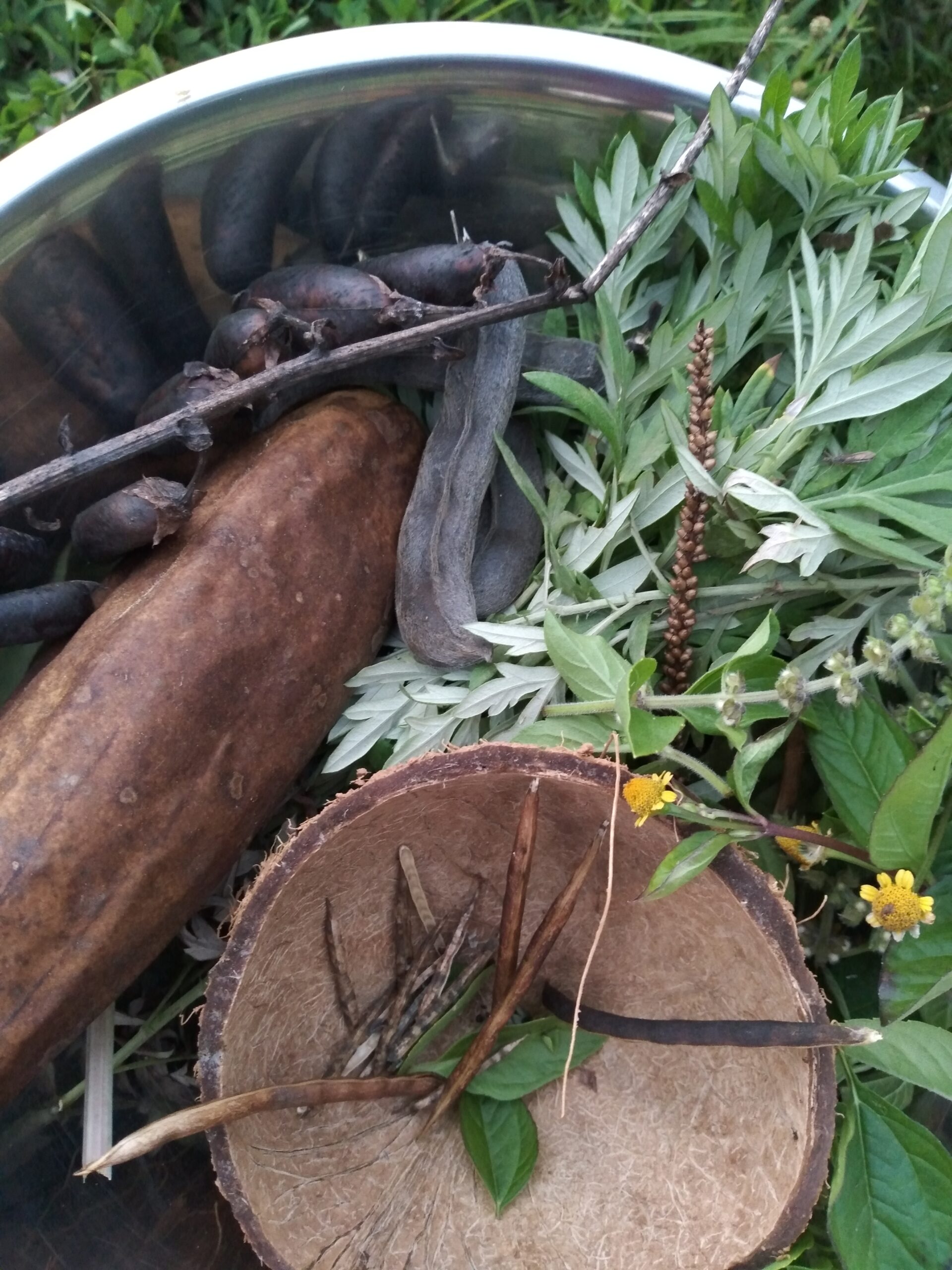
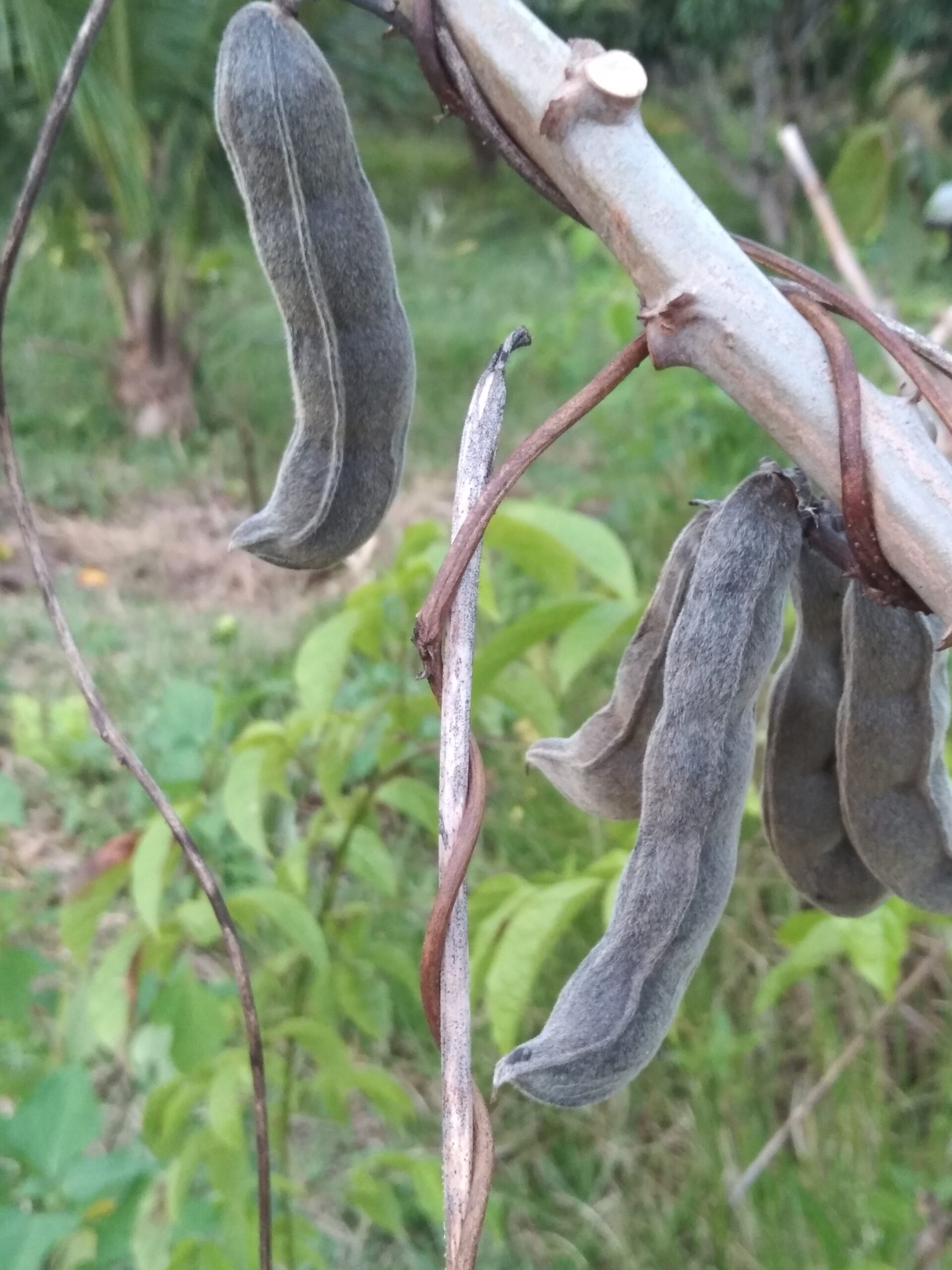
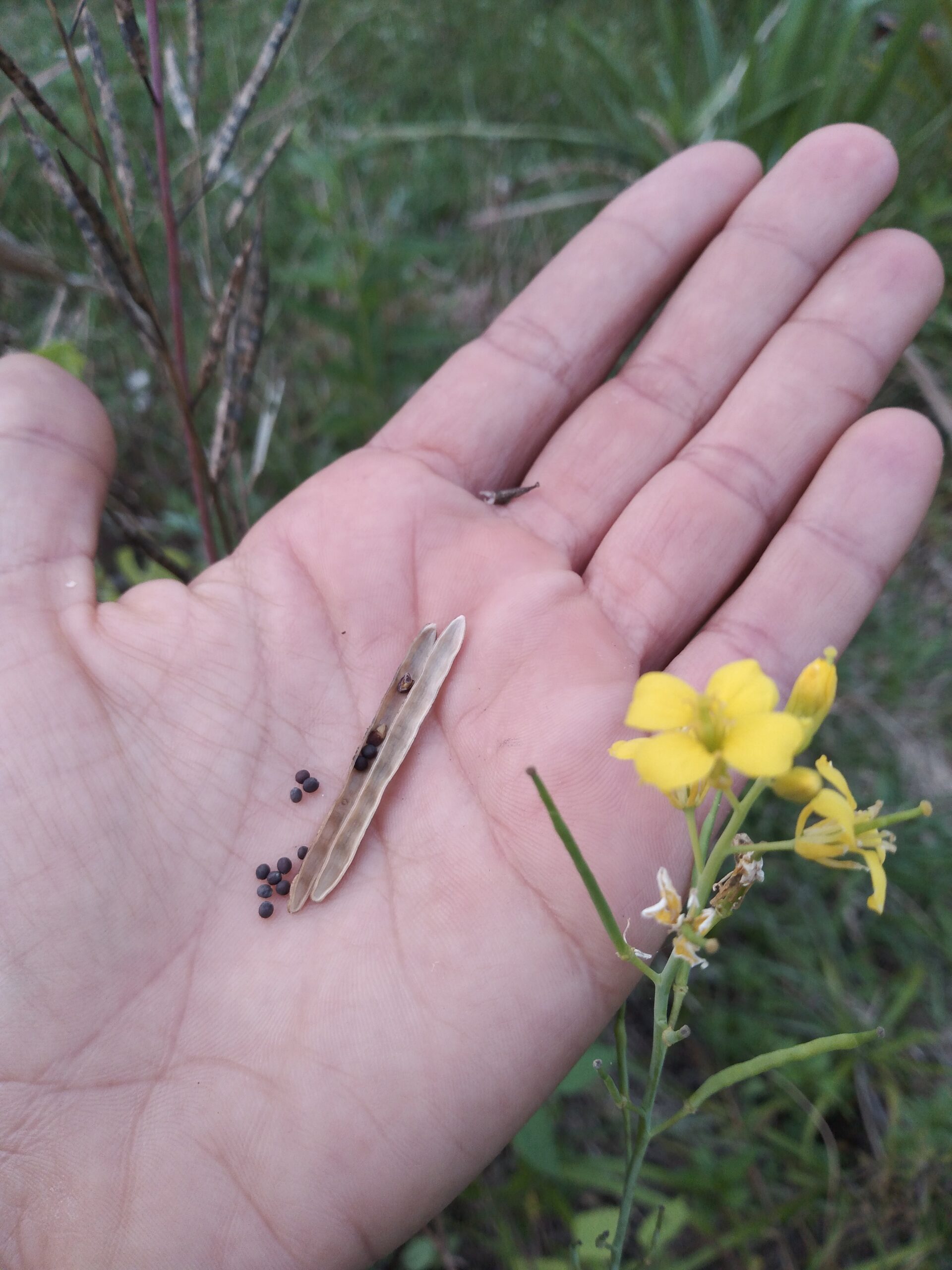
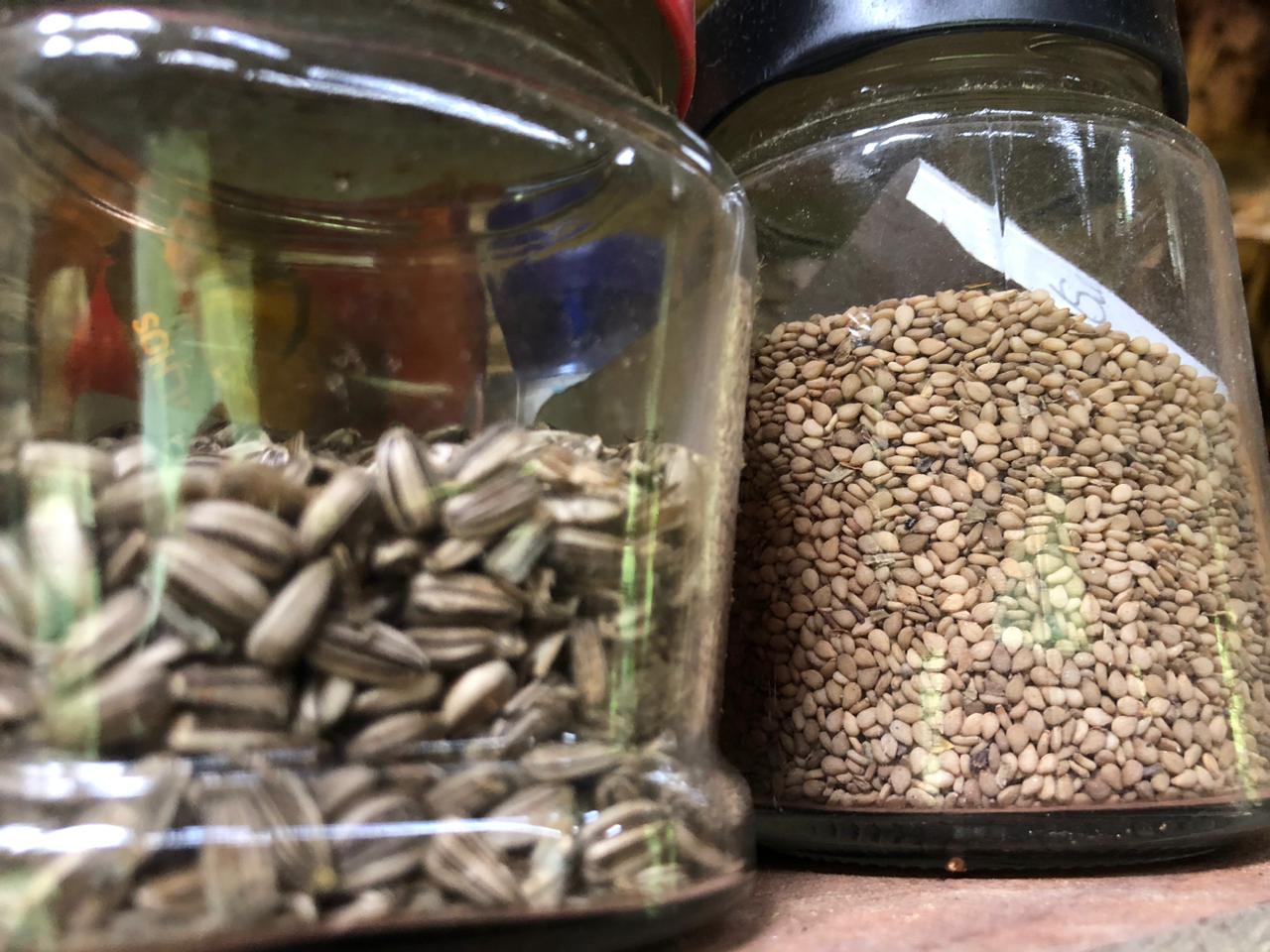
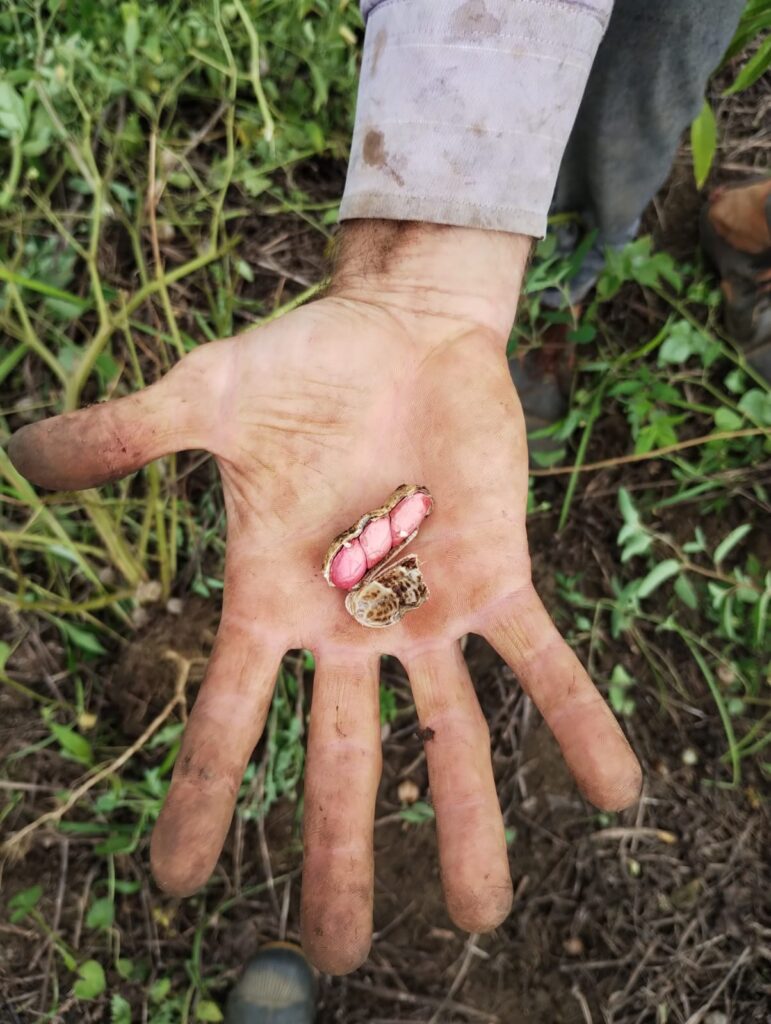
Seed banks are special facilities that store seeds from various crops and trees. Their main goal is to protect the world's genetic resources and the incredible variety of plant life. This preservation helps scientists, plant breeders, and farmers worldwide.

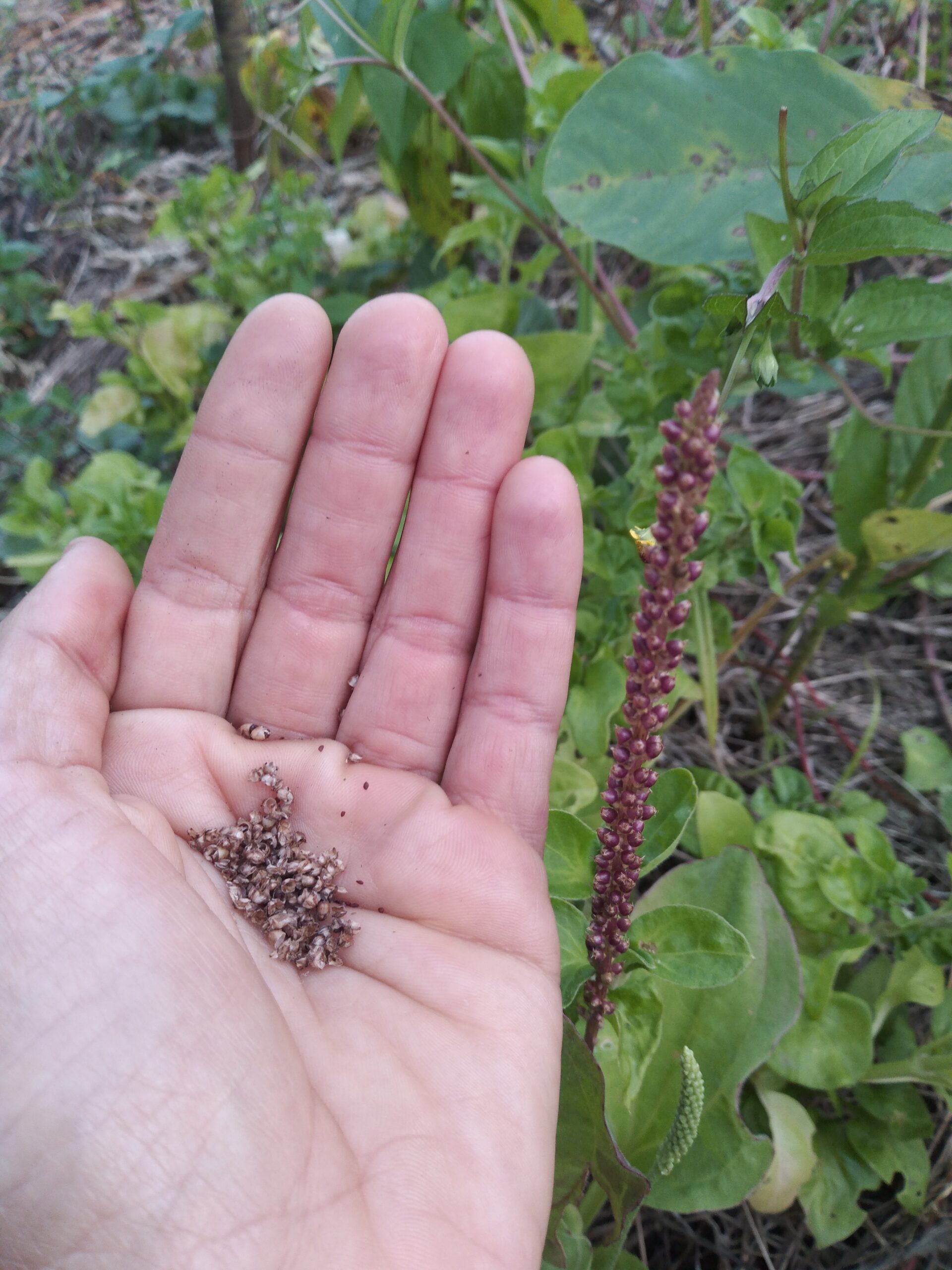
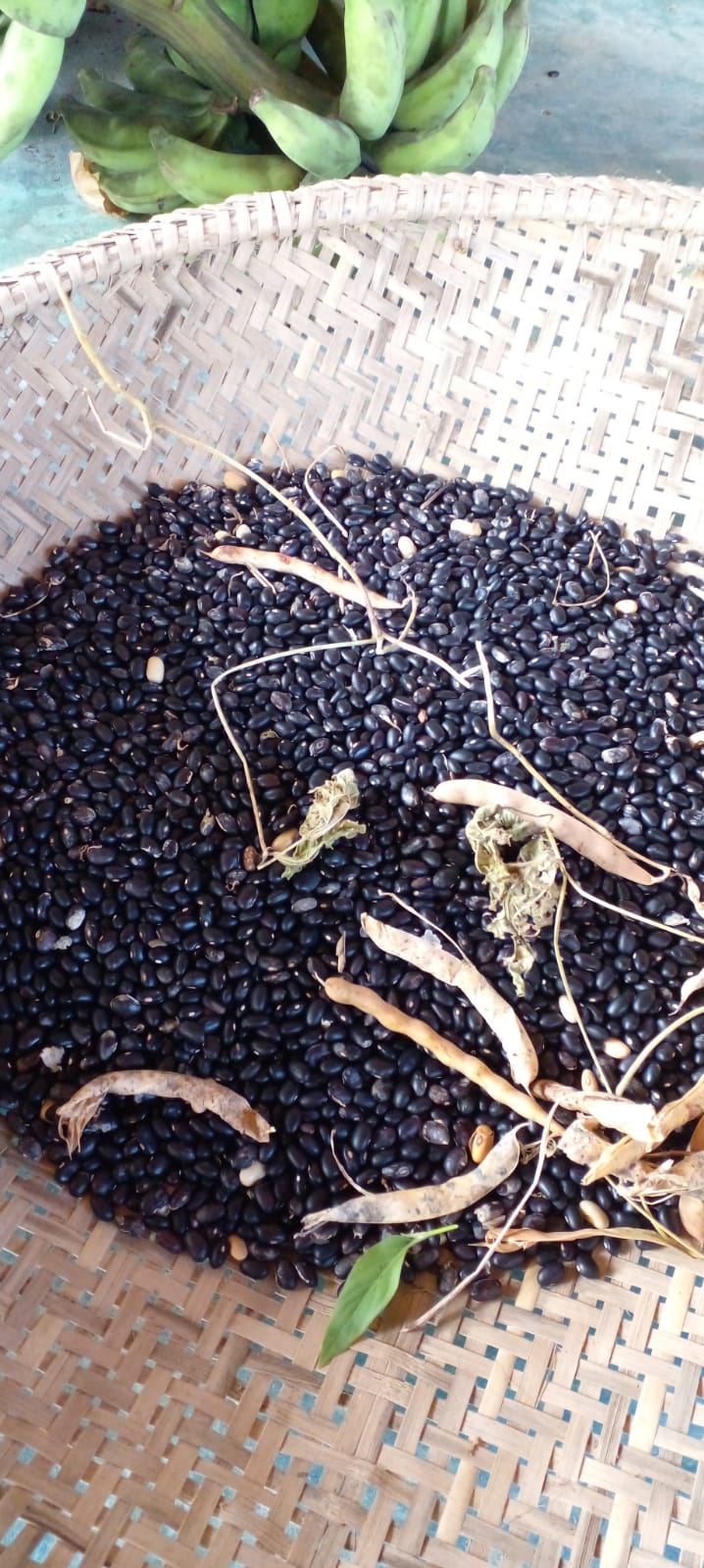
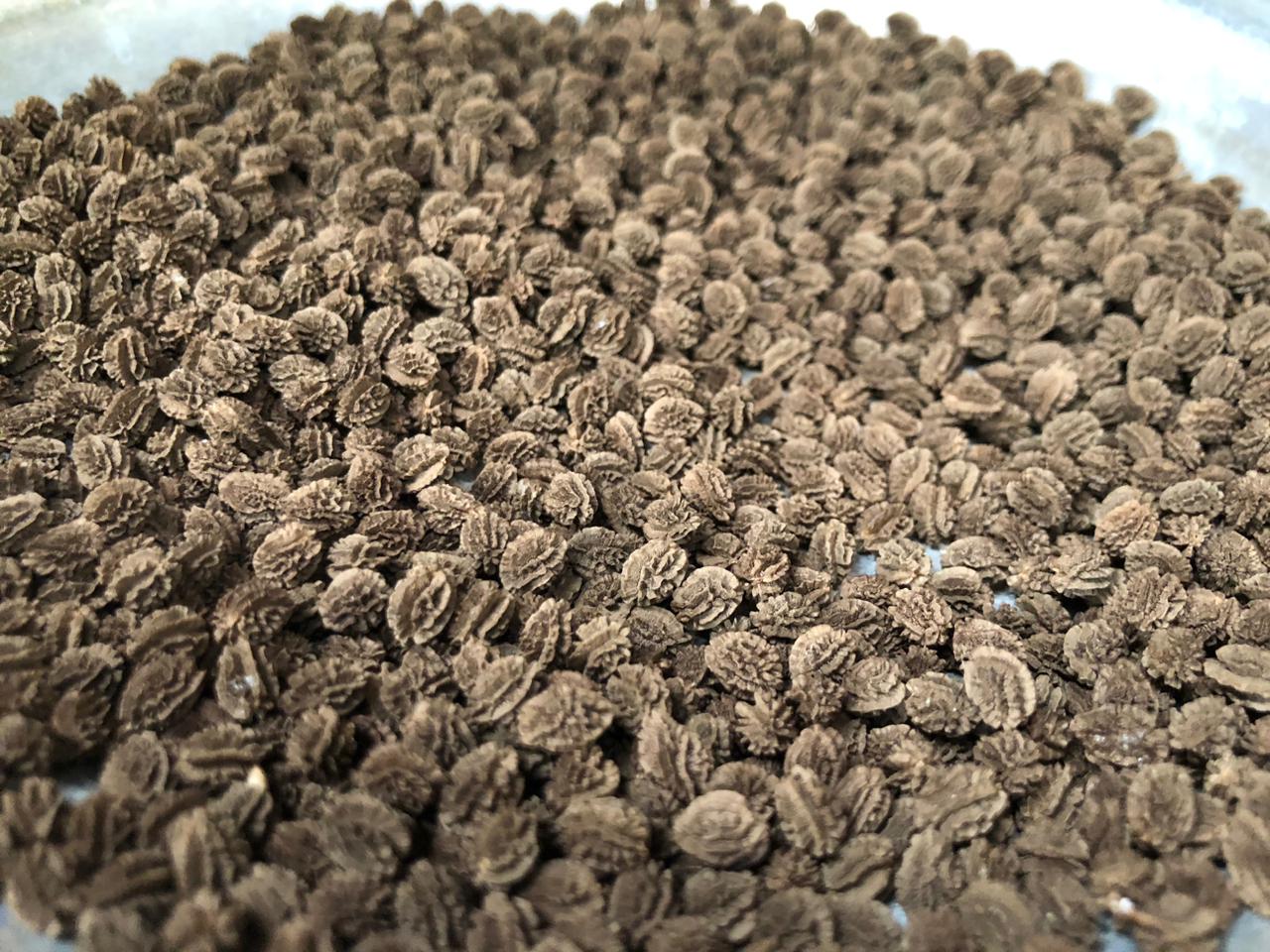
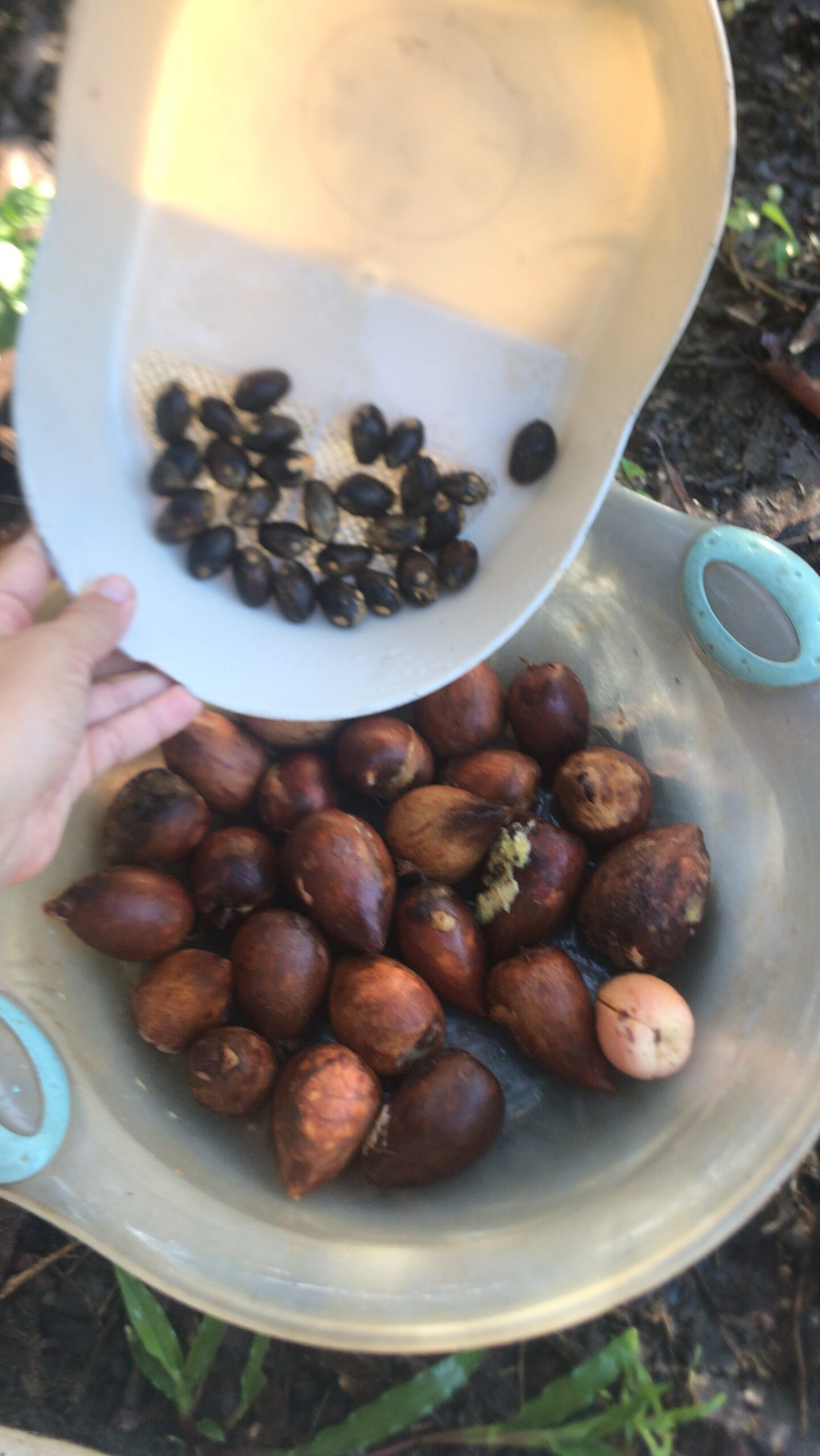
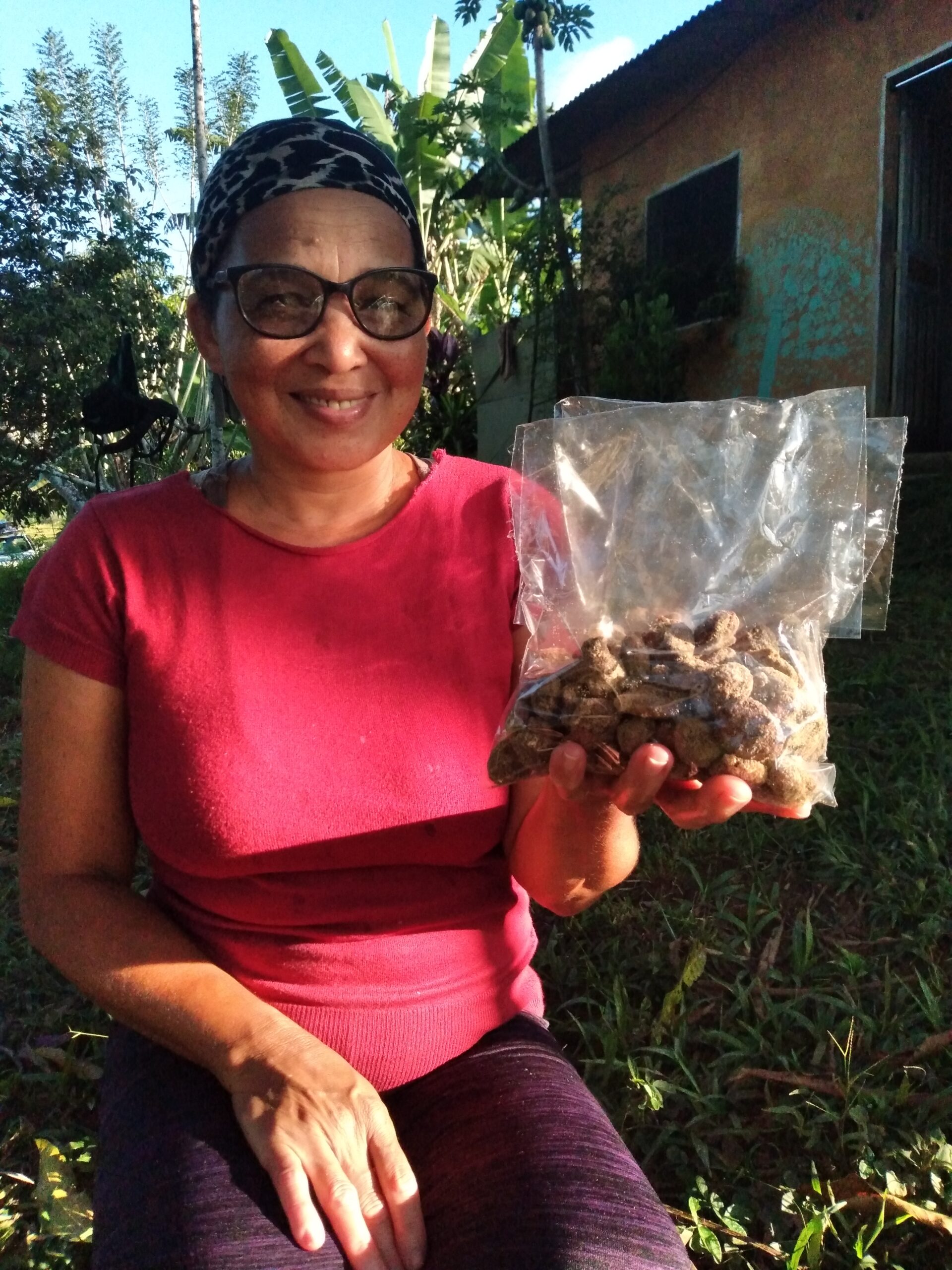
In seed banks, native seeds are carefully chosen and stored in safe environments. These seeds are shared within local communities and, importantly, planted to maintain the quality and flavor of our food. Native seeds are not genetically modified, which helps preserve biodiversity and supports food sovereignty in different regions.

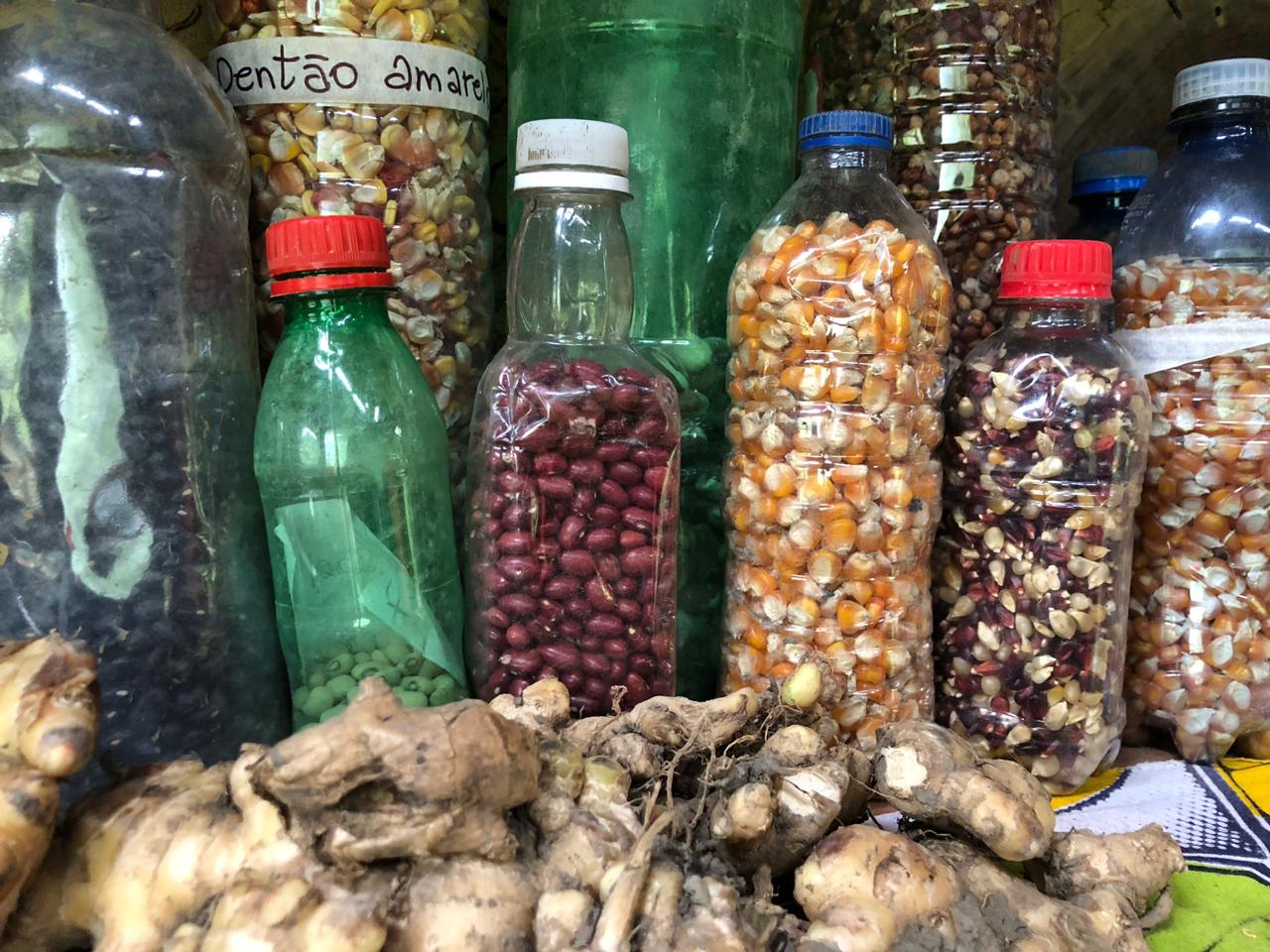
Seed banks hold a wide range of essential crops, including hundreds of varieties of corn, beans, roots, squash, and fruits. This diversity is crucial for tackling climate change and social challenges. By planting more native seeds, we can gradually improve their genetics, leading to healthier and more nutritious food. This contributes to our resilience and security as communities living in rural and forested areas.
Scroll to Top