


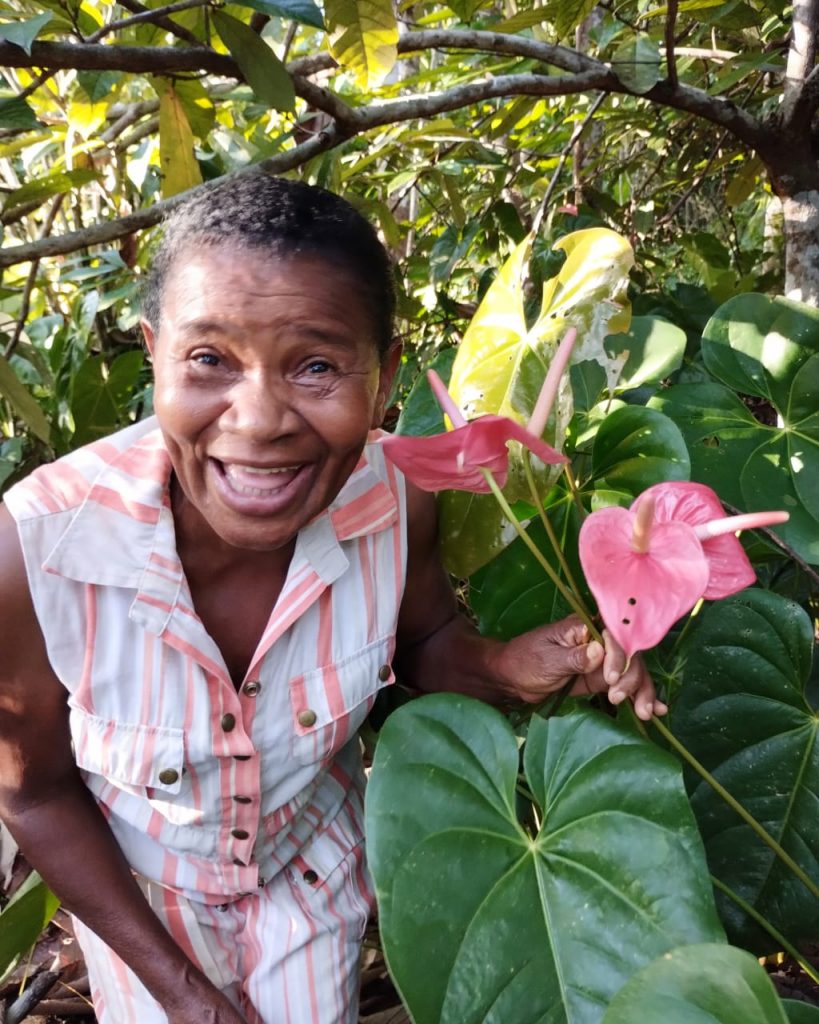
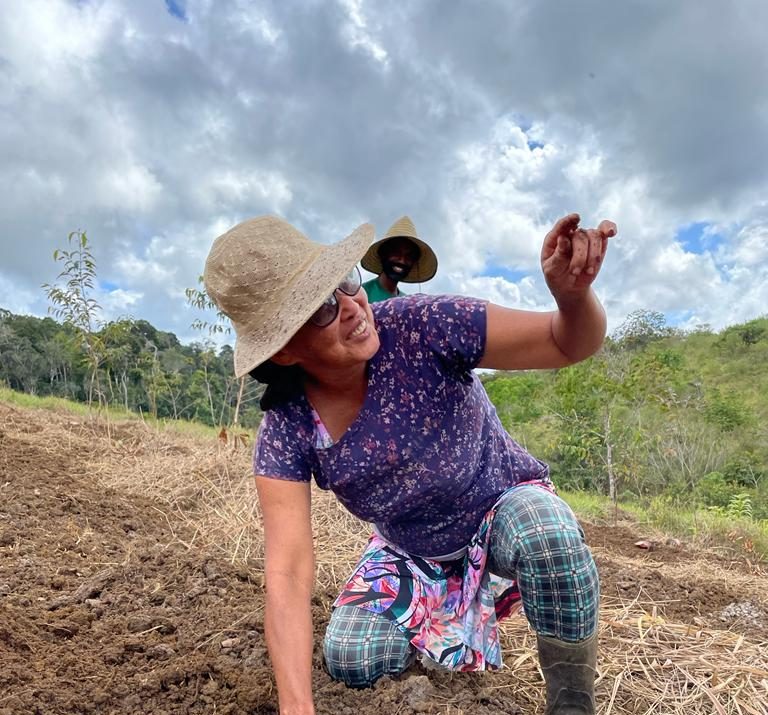
We are farmers and cultural producers united with the aim of strengthening our common purpose of regenerating the land, applying and sharing ancestral knowledge, creating autonomy from a local economy, producing and ensuring access to healthy food that strengthens the community through collective efforts, educational projects and agroecological fairs.
What is Agroecology?
Agroecology is an integrated approach that combines ecological and social principles to create sustainable food and agricultural systems. Rooted in Indigenous practices, it minimizes external inputs and fosters sustainable interactions between plants, animals, humans, and the environment. Unlike other sustainable development methods, agroecology emphasizes bottom-up, localized solutions and the co-creation of knowledge, blending scientific and traditional wisdom. This approach supports food sovereignty, empowers communities, and tackles global issues like climate change, poor nutrition, and corporate control. Recognized by governments and global institutions, agroecology also promotes the rights of women, youth, and Indigenous Peoples, offering a proven path to climate-resilient food systems.



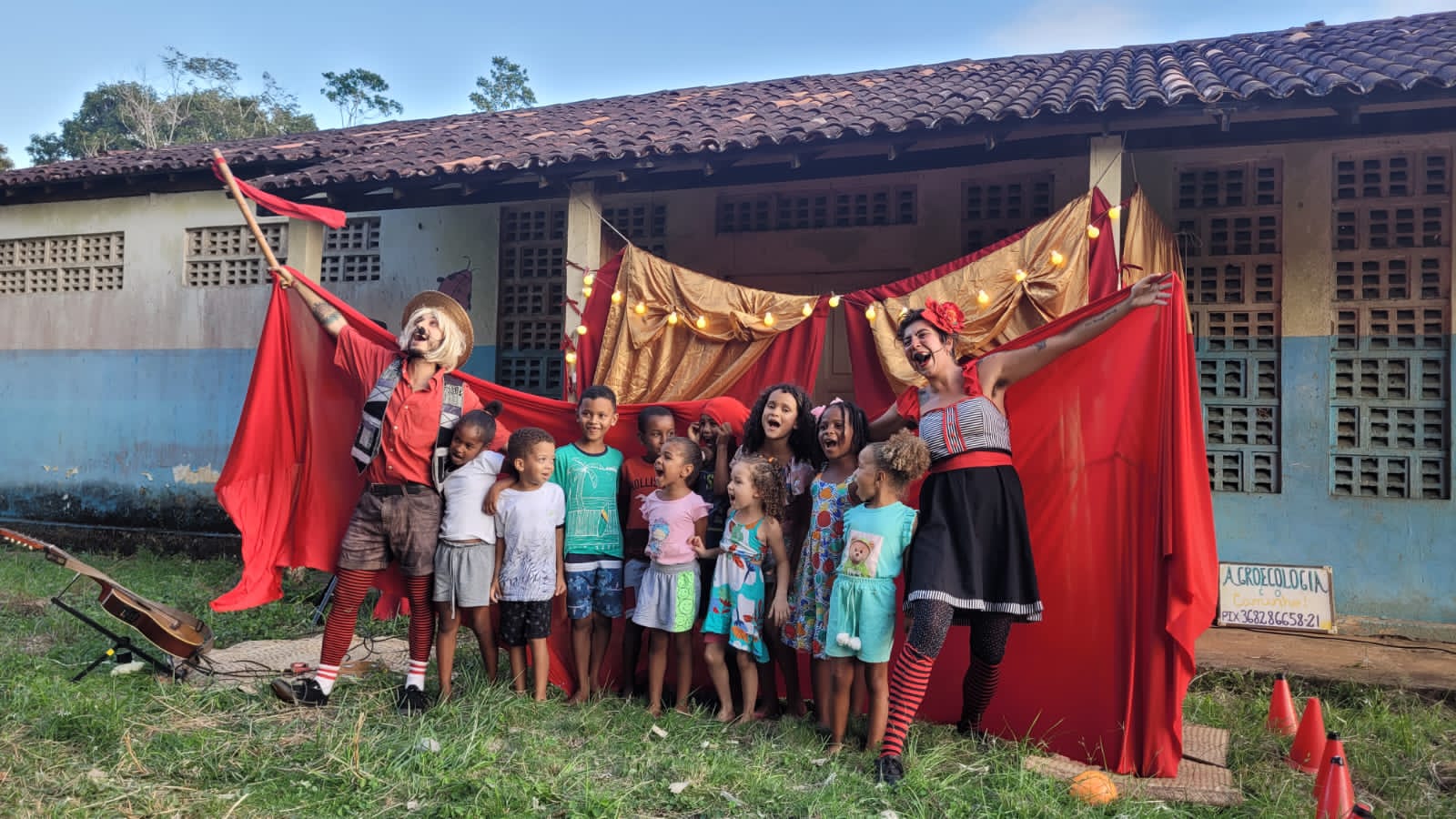
Juçara Educational and Cultural Center
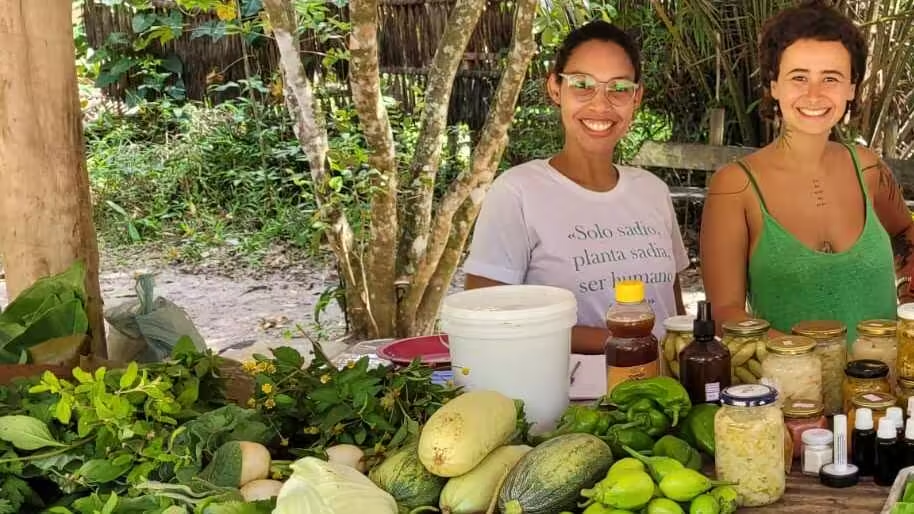
Agroecological fairs
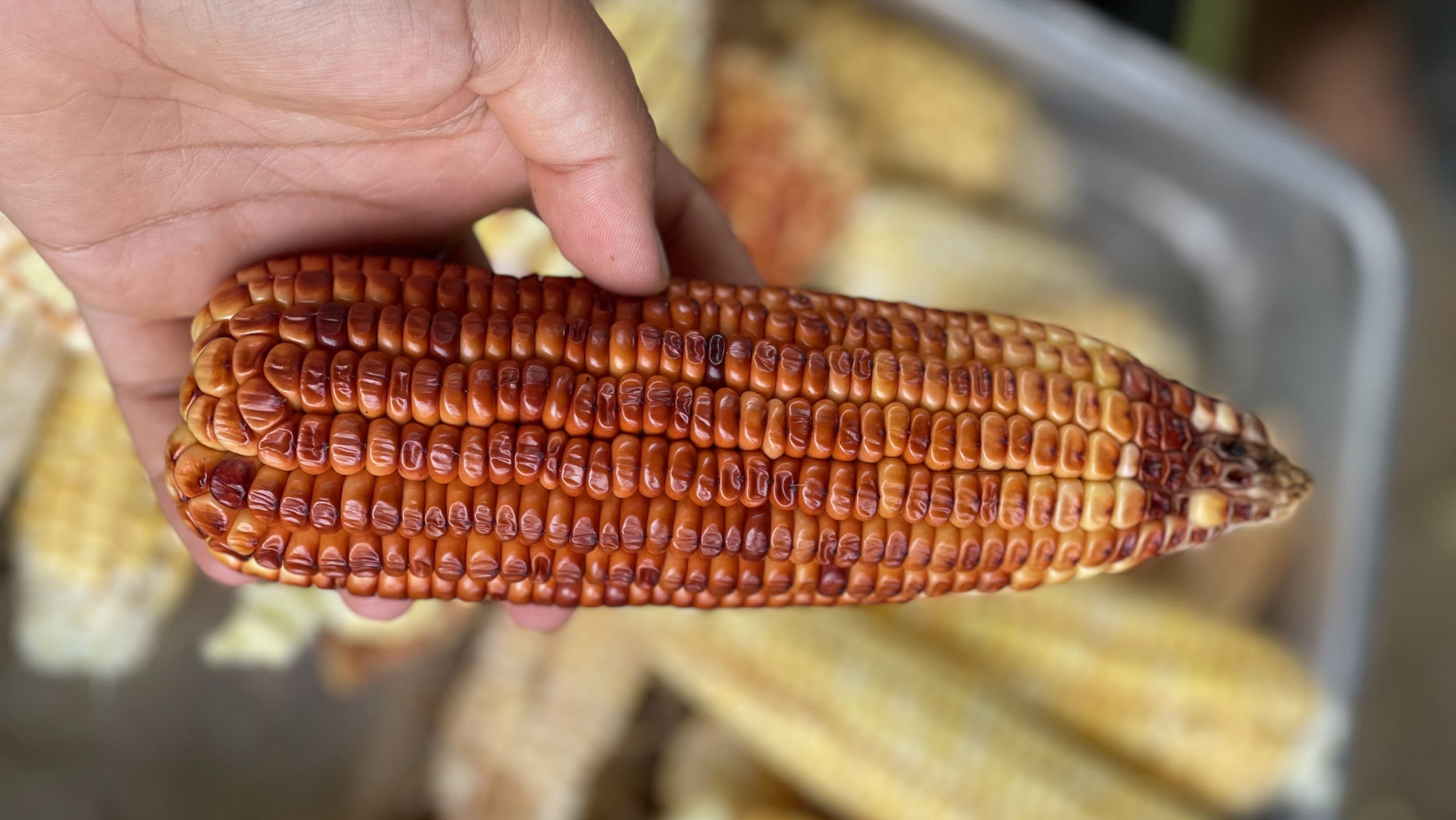
Seed Banks
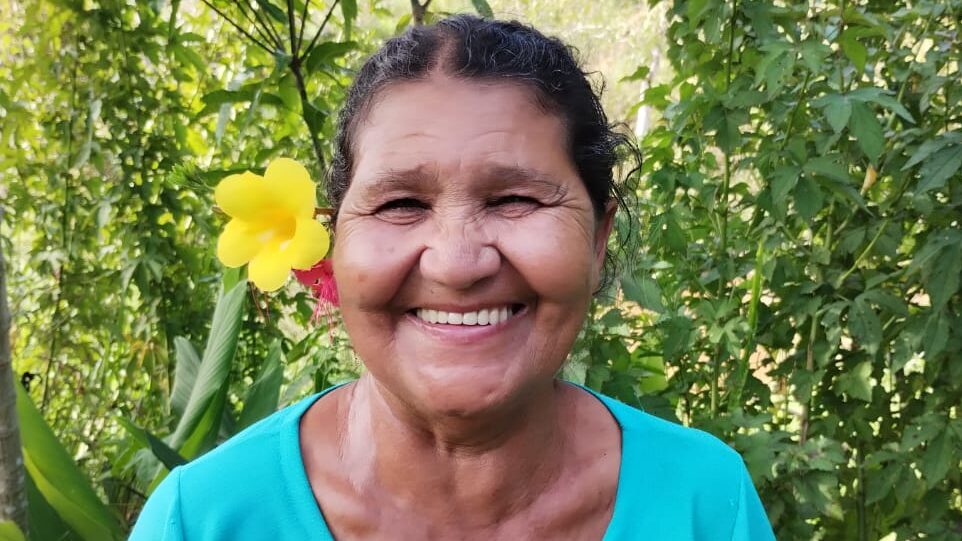
Grandmothers of the Earth
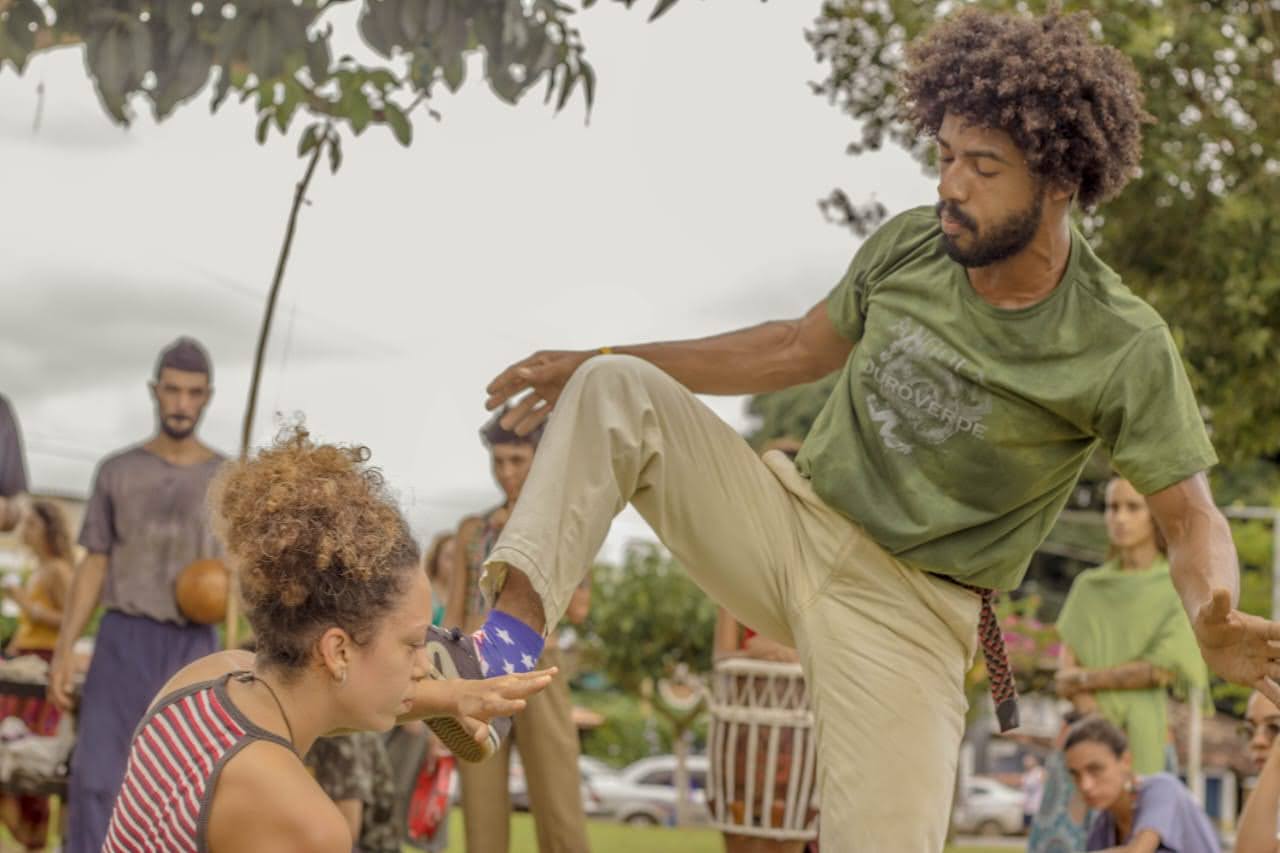
Capoeira Angola
Capoeira is a powerful tool of cultural resistance. Now recognized as an intangible cultural heritage of Brazil, it is celebrated worldwide, promoting cultural resilience through art. The capoeira circle, which combines martial arts, dance, and music, is a vivid display of resistance and skill, reflecting both historical struggle and cultural endurance.
The main objectives of the Capoeira Angola project in the Santa Maria settlement are to strengthen Afro-Indigenous culture in the region, foster personal empowerment among Black and Indigenous children, youth, and adults, and serve as a tool for self-defence and the prevention of child and youth violence.
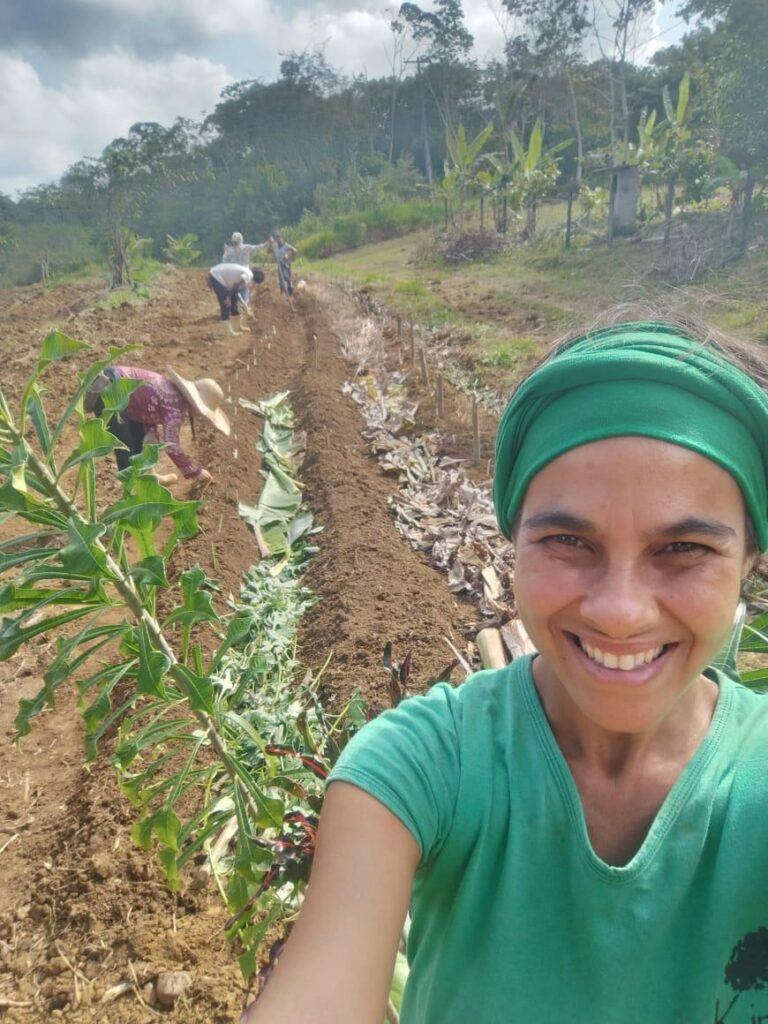
Aloyana Lemos
President
Aloyana Lemos
President
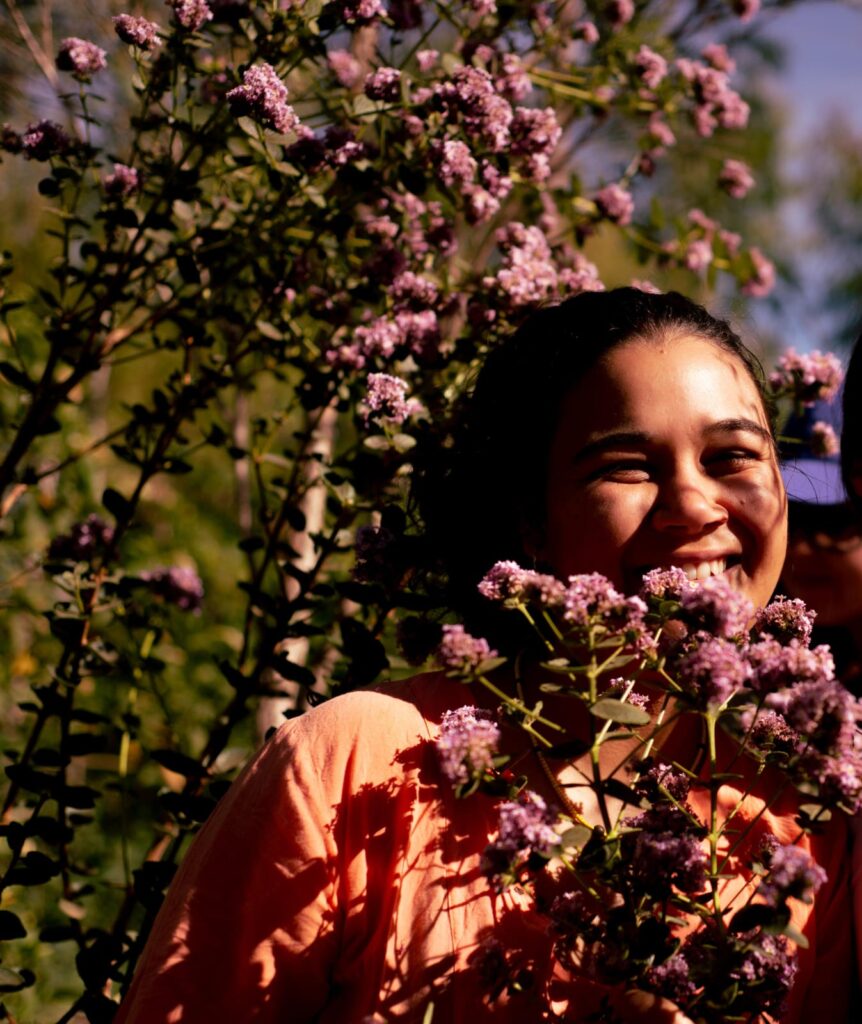
Vice-president
Mariana Mota
Vice-president
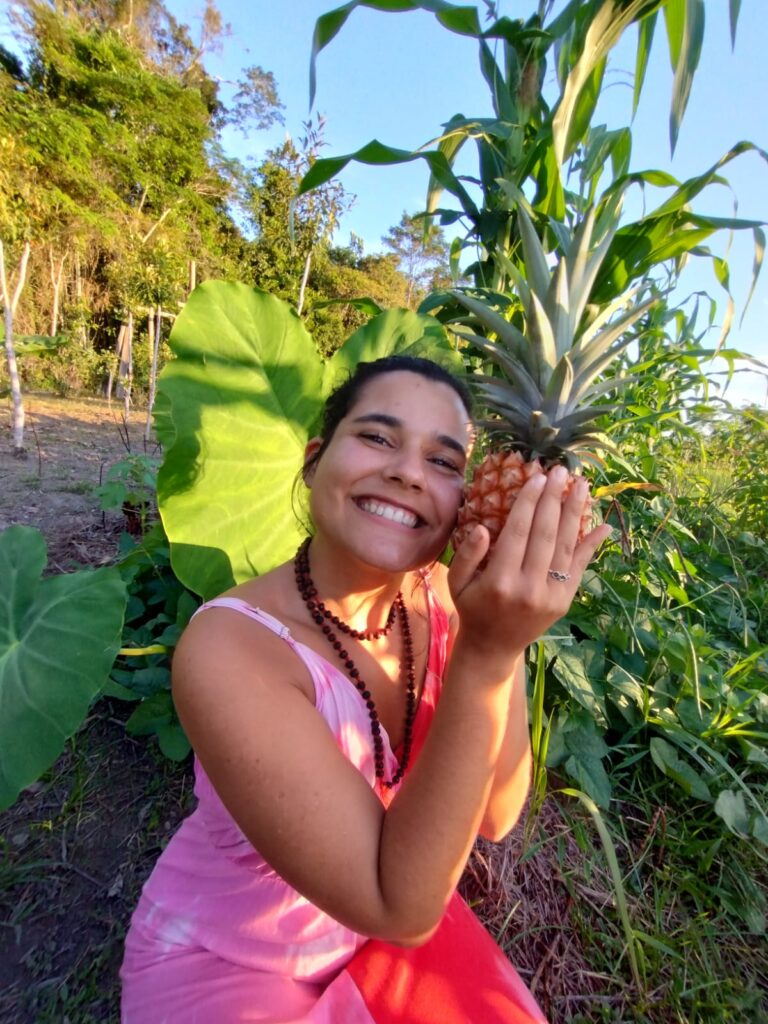
Financial Director
Brunna Pujol
Financial Director
Secretary
Carol Stein
Secretary